ValeWatch
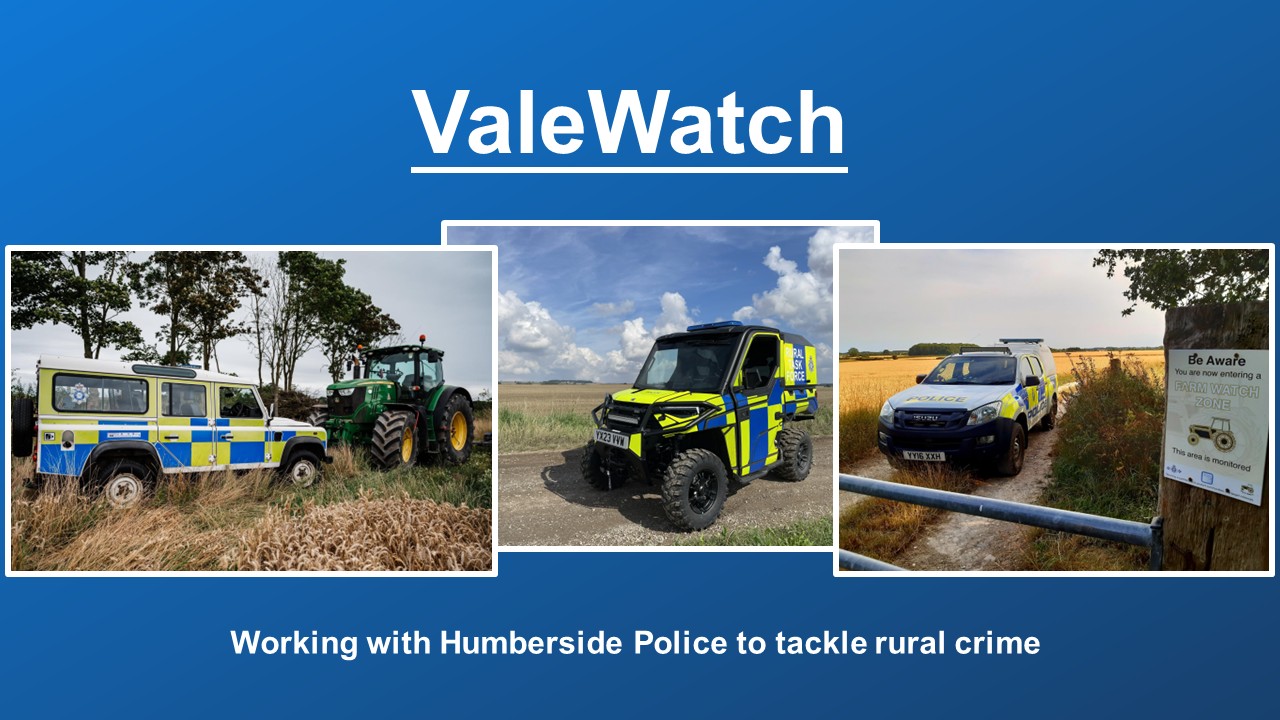
A message from ValeWatch, the largest farm watch and rural crime group in the East Riding.
ValeWatch has a strong working relationship with Humberside Police and covers all the Western reaches of the Humberside Police area.
We have 225 existing subscribers and information is shared directly with police officers who cover this area and also with co-ordinators of all the neighbouring farm watch groups.
We have strong links with the Humberside Police Rural Taskforce and Neighbourhood Policing Teams and details of activity can be shared in real time with officers giving them more opportunity to identify and catch criminals. And, unlike many other groups, we have 25 Humberside Police officers in our intelligence sharing database so every piece of information we receive is sent direct to the e-mails addresses and phones of our local policing teams.
Membership costs just £15 per year per mobile phone registered to our group. We have a designated number for calling in any reports of crime of suspicious activity and we communicate out through bulk text messaging and e-mails.
How we work
ValeWatch enables individuals to be part of a group dedicated to sharing intelligence about rural crime and suspicious activity throughout our local community.
We cover a wide range of criminality including:
- poaching and hare coursing;
- theft of equipment and fuel;
- burglary; or
- suspicious individuals (e.g. cold callers looking for scrap metal, offering tarmac or trying to selling items from back of vans).
We rely on the vigilance and co-operation of our members to provide us with details of crimes suffered or any suspicious activity observed. Its not an alternative to reporting to the Police on 101 but means we can share information rapidly and we can forward photos and video evidence obtained by our members direct to officers’ mobile phones.
Humberside Police also pass on messages when there’s information they want to share or individuals or vehicles they’re trying to locate.
Working Together
We also help our members by co-ordinating exercises such as marking of valuable GPS systems, trailers and other property which are commonly targeted by thieves.
We’ve recently purchased over £10,000 worth of DataTag trailer kits which we’re fitting free of charge to our member’s flatbed trailers, cattle trailers and horse boxes in conjunction with the Humberside Police Rural Task Force. Trailer theft is one of the most prevalent rural crimes so we’re trying to help our members protect their property and avoid becoming a victim.
Our formal structure and profile means we can access grant funding to bring these types of resources to our area.
We’re officially recognised by Humberside Police and even have the ability to pass some information direct into the Force Intelligence Bureau – by-passing 101 – the only farm watch group allowed this privileged level of access.
For more details contact valewatch@gmail.com
Letter Regarding Humberhead Solar
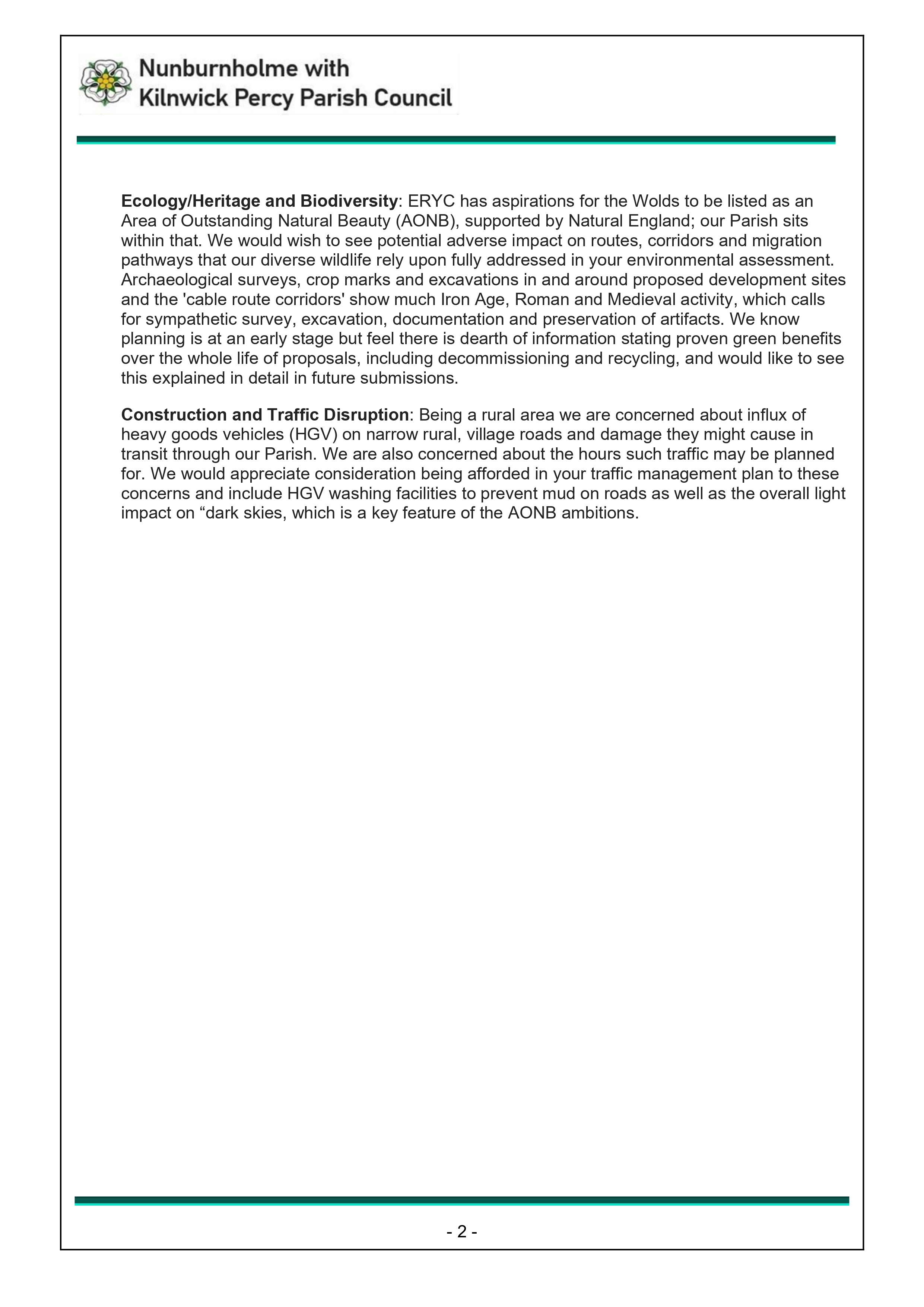
Please see the below letter which has been sent to the Planning Inspectorate in response to the consultation to inform their Scoping Opinion.
Missed Bin Collection?
We have received reports of brown bins which haven't been collected.
This is most likely due to bedding-in of the new weekly collection for brown bins, but can easily be reported to ERYC on this page.
(If you don't have an ERYC online account, just click "Continue as a guest" to report the issue)
East Riding Household Support Grant for Oil
Low income households in the East Riding of Yorkshire who use oil to heat their homes may be eligible for support with the rising cost of heating oil.
The eligibility criteria and online form application form can be found here.
Any queries, or for people who aren’t sure if they meet the criteria, please contact Humber and Wolds Rural Action by e-mail.
Those who can’t access the internet can phone 07918 147 006 – please leave a message if there is no answer and someone from Humber and Wolds Rural Action will call you back.
Defibrillators fitted to bin lorries
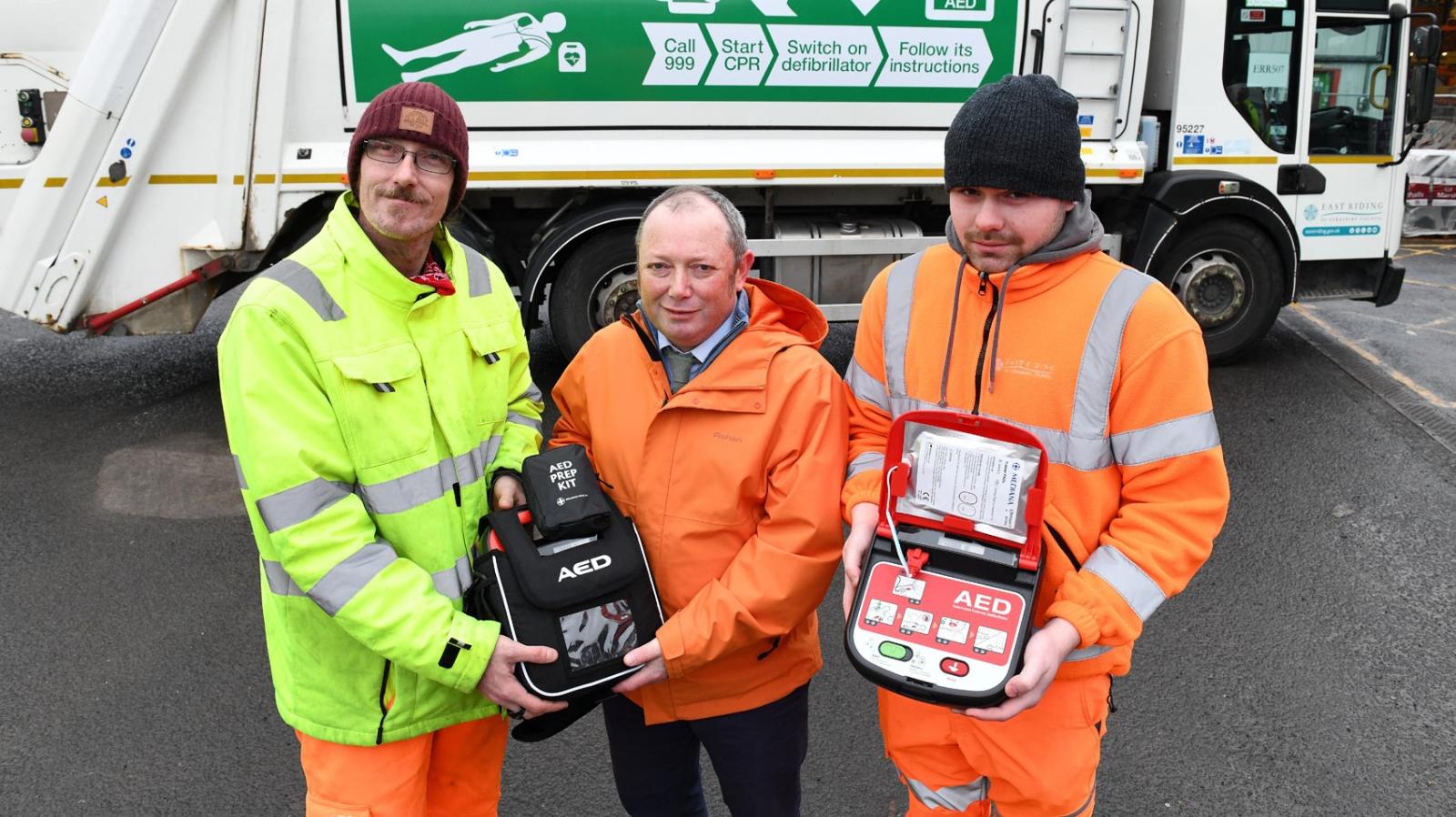
In a pioneering project, life-saving defibrillators have been fitted to all bin collection lorries in the East Riding.
Thought to be the first scheme of its kind in the UK, East Riding of Yorkshire Council has installed the machines to its entire fleet of refuse trucks in order to help if any medical emergencies occur while the bin crews are out and about on their rounds in the community.
All 72 bin lorries now carry the defibrillators. That will increase to more than 80 with the roll-out of weekly brown bin food waste collections in the East Riding, which began in February.
Two of the council’s road safety vehicles have also been fitted with the equipment as they travel across the East Riding.
To read more on this story, click here.
NHS "Choose well. Stay Well"
Let’s choose well, and get the right care.
We know that finding the right place to go when you become ill or are injured can be confusing. By selecting the right service for your illness or injury, you’re not only looking after your health but using your NHS services responsibly and in a way that helps hardworking staff to treat and care for patients appropriately.
Learn more about getting the right support here 👉 Get the right care - Let's Get Better
Choose Well. Stay Well.
Proposed Yorkshire Wolds Area of Outstanding Natural Beauty (AONB)
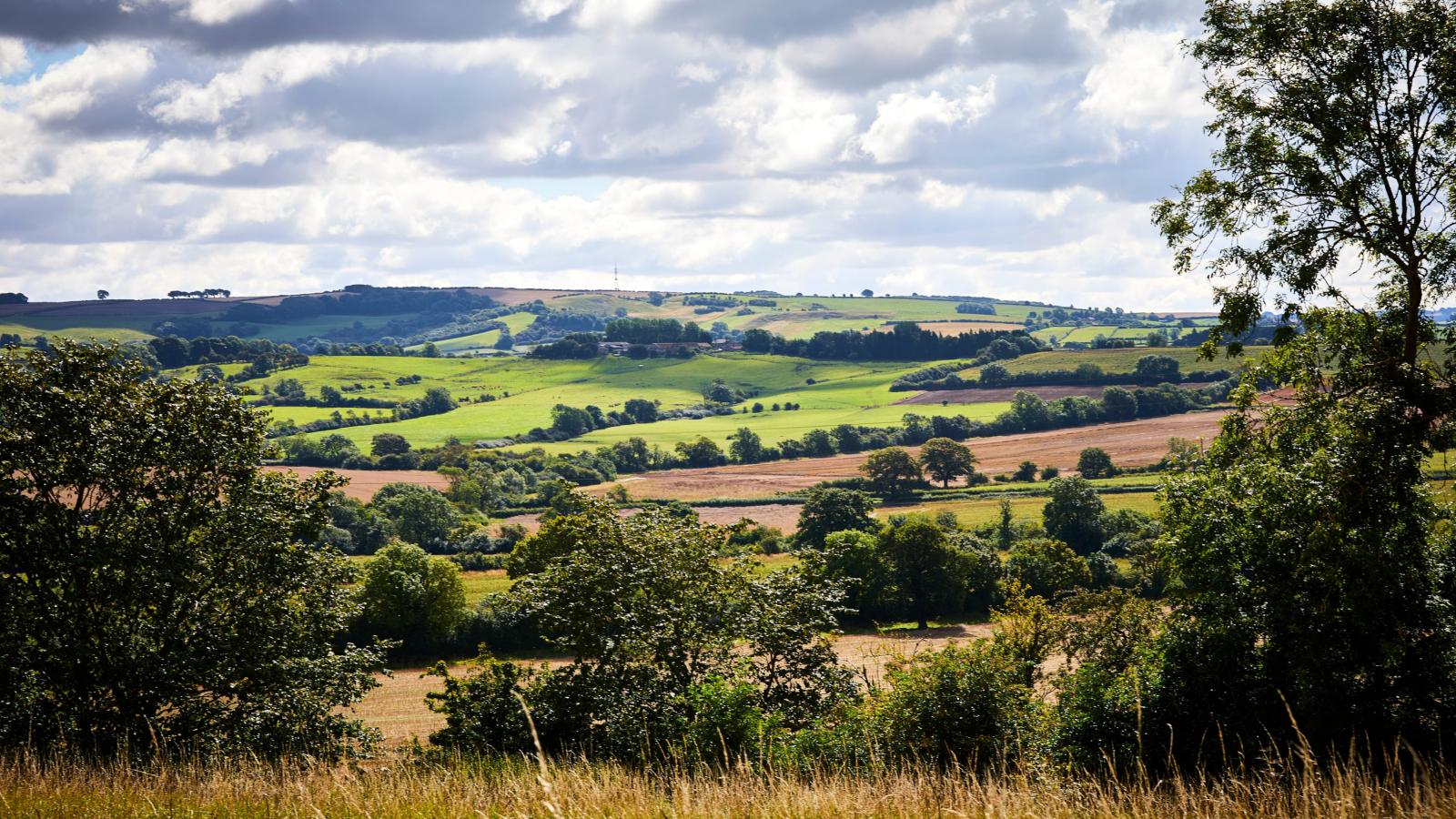
Natural England has published its consultation response analysis report relating to the proposal to designate a new Yorkshire Wolds Area of Outstanding Natural Beauty (AONB).
Natural England has also given notice of its statutory notice period enabling anyone to view the proposals and make representations, if they wish, in relation to that proposal. Representations can be submitted via email to YorksWoldsDesignationProject@naturalengland.org.uk, or via letter to Yorkshire Wolds AONB, PO Box 351, Holmfirth, HD9 9A, and the notice period will close at midnight on Friday, 6 March 2026.
Read more about the proposed Yorkshire Wolds AONB here.
If you have the East Riding app you will automatically be notified when to put your bin out for collection.
Weekly brown bin collections have started
From Monday 9 February, some residents will have switched to weekly brown bin collections. This may mean your green and blue bin collection dates have changed too.
You should have received your new recycling information pack in the post which includes your new bin collection calendar. Please put your bin out before 7am on your collection date.
You can also check your new bin collection dates on the ERYC website.
If you have the East Riding app you will automatically be notified when to put your bin out for collection.

Help for Households
You could get £250 from the Household Support Fund.
If you do not have sufficient income to meet your essential daily living costs, you can make an application for a one-off Household Support Fund payment of £250.
This is to support you with food, energy bills and other essentials you may need.
You can view the eligibility criteria and apply online here.


Changes to Brown Bin Collections
The weekly collections of brown bins will begin from Monday 9 February for two thirds of the East Riding – including the Bridlington, Driffield, Holderness, Market Weighton and Goole areas. They will then be rolled out to the remaining third from February 2027 to towns and villages in the Beverley, Cottingham, Willerby, Brough, Anlaby and Hessle areas.
You can read more about the changes here.

Order a Free Food Waste Starter Pack
Weekly brown bin collections are coming, are you ready to recycle your food waste? If you don't already recycle your food waste, you can order a free starter pack and get it delivered to your door.
The starter pack includes a kitchen caddy and two rolls of caddy liners.
Order your free food waste starter pack here.

Welcome to the website of Nunburnholme with Kilnwick Percy Parish Council.

Kilnwick Percy is a village and former civil parish, now in the parish of Nunburnholme, in the East Riding of Yorkshire, England. It is situated approximately 1.5 miles (2.4 km) north-east of Pocklington town centre, and to the north of the B1246 road. In 1931 the parish had a population of 69. On 1 April 1935 the parish was abolished and merged with Nunburnholme.
Kilnwick Percy Hall is a Grade II* listed country house built around 1845. It is now a Buddhist meditation and retreat centre.
The grounds of the hall include a lake and a small church in the Norman style dedicated to Saint Helen. The church is designated a Grade II listed building and is now recorded in the National Heritage List for England, maintained by Historic England.
In 1823 Kilnwick Percy was a civil parish in the Wapentake and Liberty of Holderness. The ecclesiastical parish was under the patronage of the Dean of York. Population at the time was 43.
Nunburnholme is a village and civil parish in the East Riding of Yorkshire, England. It is approximately 3 miles (5 km) east of the market town of Pocklington. The civil parish is formed by the village of Nunburnholme and the hamlet of Kilnwick Percy. According to the 2011 UK census, Nunburnholme parish had a population of 234, a decrease on the 2001 UK census figure of 253.
Nunburnholme derives its name from the Old English Burnholme (“burn” = spring, stream; “holm” = island in a river), and was variously spelt Brunnum, Brunham and Brunne in medieval times. The prefix “Nun-“ was added some time before the 16th century with reference to Nunburnholme Priory.
Nunburnholme was laid waste during the Harrying of the North in 1069–70 and was still deserted in 1086. The entry for the manor of Brunham in the Domesday Book reads:
"Terra Tainorum Regis. East Riding. Hessle Hundred. Manerium. In Brunham, Morcar, Turvet and Turchil had 11 carucates of taxable land. There is land for six ploughs. One carucate is soke in Pocklington. Forne holds it of the King, and it is waste."
The parish church of St James is a Grade I listed building, noted for its former incumbents the Reverend Francis Orpen Morris, author of works on natural history, and his son, the Rev. Marmaduke Charles Frederick Morris, antiquarian and author.
During restoration in 1872–7 two sections of an important late Anglo-Saxon cross-shaft were discovered walled up in the church. The Nunburnholme Cross now stands within the church, its two sections incorrectly mounted back to front. The highly ornamented faces of the cross-shaft comprise Anglo-Saxon Christian figures, an unusual haloed warrior in profile, and later pagan Viking and Norman additions.
The Yorkshire Wolds Way National Trail, a long-distance footpath, passes through the village, as does the 60-mile (97 km) Wilberforce Way, which runs from Kingston upon Hull to York.
In 1823 Nunburnholme was a civil parish in the Wapentake of Harthill. Baines stated that there was previously a small Benedictine nunnery, indicated by a mound, that was founded by the ancestors of Roger de Morley. Population at the time was 203, with occupations including ten farmers and yeomen, a shoemaker and shopkeeper, a schoolmaster, and a wheelwright.
Nunburnholme was served by Nunburnholme railway station on the York to Beverley Line between 1847 and 1951.